









 Ugadhi
 Maha Shiva Ratri
 Ratha Saptami
 Ganesh Chaturthi
 Krishnashtami
 Varalaxmi Puja
 Navratri Special
 Karva Chauth
 Diwali
 Makara Sankranti













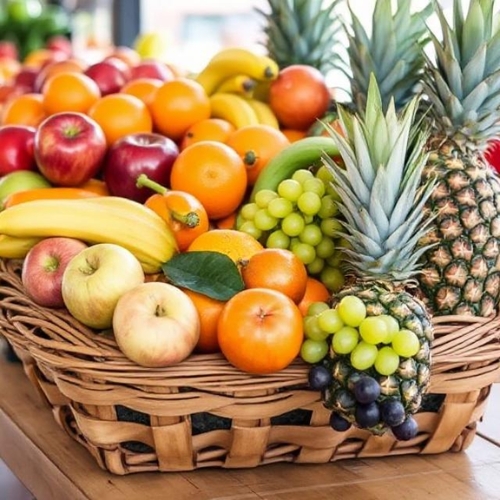




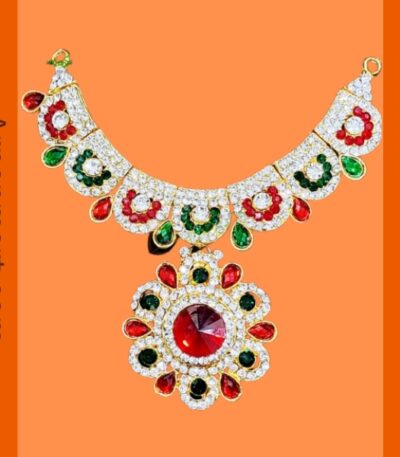


Sudarshana Homa Puja Kit
$250.00Sudarshana Homa Puja Kit is a powerful Vedic ritual dedicated to Lord Vishnu, invoking the energy of the Sudarshana Chakra, his divine weapon.
It is performed for protection, healing, removal of negative energies, and to overcome obstacles.
This homa is also known for its potency in spiritual purification and resolving health and financial issues.

Sunnam Box (Chuna)
$3.99Sunnam Box (Chuna or lime powder) plays a significant role in Hindu rituals and pujas, symbolizing purity, protection, and spiritual upliftment.
It is often used in conjunction with turmeric and other sacred substances to sanctify spaces and invoke divine blessings.


Sweet Harvest Amber Honey (340g)
$11.99Indulge in the rich, golden sweetness of Sweet Harvest Amber Honey (340g)—pure, natural, and packed with flavor. Perfect for spreading, drizzling, or sweetening your favorite dishes.


Sweet Supari (Triveni) 5g
$3.99Sweet Supari refers to betel nut (supari) that has been flavored or coated with sugar and other aromatic spices or ingredients, making it a sweet and fragrant offering in Hindu pujas.
Supari, in its natural state, is a traditional offering in many religious rituals, but when prepared as sweet supari, it becomes a more ceremonial and pleasing offering to the deity.


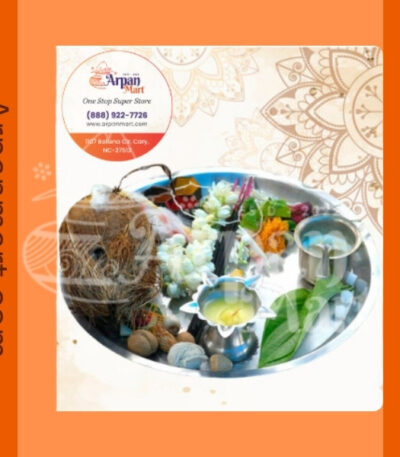
Taddinam / Shradh Puja Kit
$150.00Taddinam (also spelled Tadinna, Tadanna, or Shradh) is a significant Hindu ritual performed to honor and pay respects to deceased ancestors.
This ceremony is typically performed during the annual Shradh (or Pitru Paksha), a 15-day period dedicated to the ancestral spirits, where offerings are made to ensure peace, prosperity, and liberation (moksha) for the souls of the departed.


Tailed Pepper (Toka Miryalu)
From $4.99Tailed Pepper (Toka Miryalu), also known as Cubeb Pepper or Kabachini (botanical name: Piper cubeba), is a spice with a unique flavor and medicinal properties.
Its distinct “tail” gives it its name. In puja rituals, tailed pepper holds spiritual significance due to its association with purification and protection.
Tailed pepper is believed to have protective properties that help ward off negative energies and purify the space.


Tangedu Poovu (Avaram Poo)
Call for PriceArpan Mart proudly presents “”Seasonaly Only”” Special Tangedu puvvu / Tangedu poovu – commonly known as Tanner’s Cassia or Senna auriculata, are celebrated for their striking beauty and cultural significance, particularly in the Indian state of Telangana.
These flowers play a pivotal role in the Bathukamma festival, a vibrant floral festival honoring the goddess Gauri.
Tangedu has the ritual respect equal to goddess Durga Maatha.
It come in a Ziploc Packed with Approximate weight of -150 Grams

Temple Garland – TGL – 011
Call for Price“Temple garlands are intricate and beautifully crafted floral ornaments used in religious ceremonies and rituals. Made from fresh or artificial flowers, they symbolize reverence and devotion, adding a touch of elegance and sacredness to temple offerings.
The fragrant flowers and religiously significant leaves are used to make garlands to worship goddesses.
Often these are also used in temples to decorate the deities.
Our Special Temple garlands have the capacity of adding charm and inspiring the impression of any auspicious place, a smile on your face just through their presence. These garland can be offered to deity idols or can be hung on the altar or entrance door.”